The push for energy-efficient homes is changing loft design
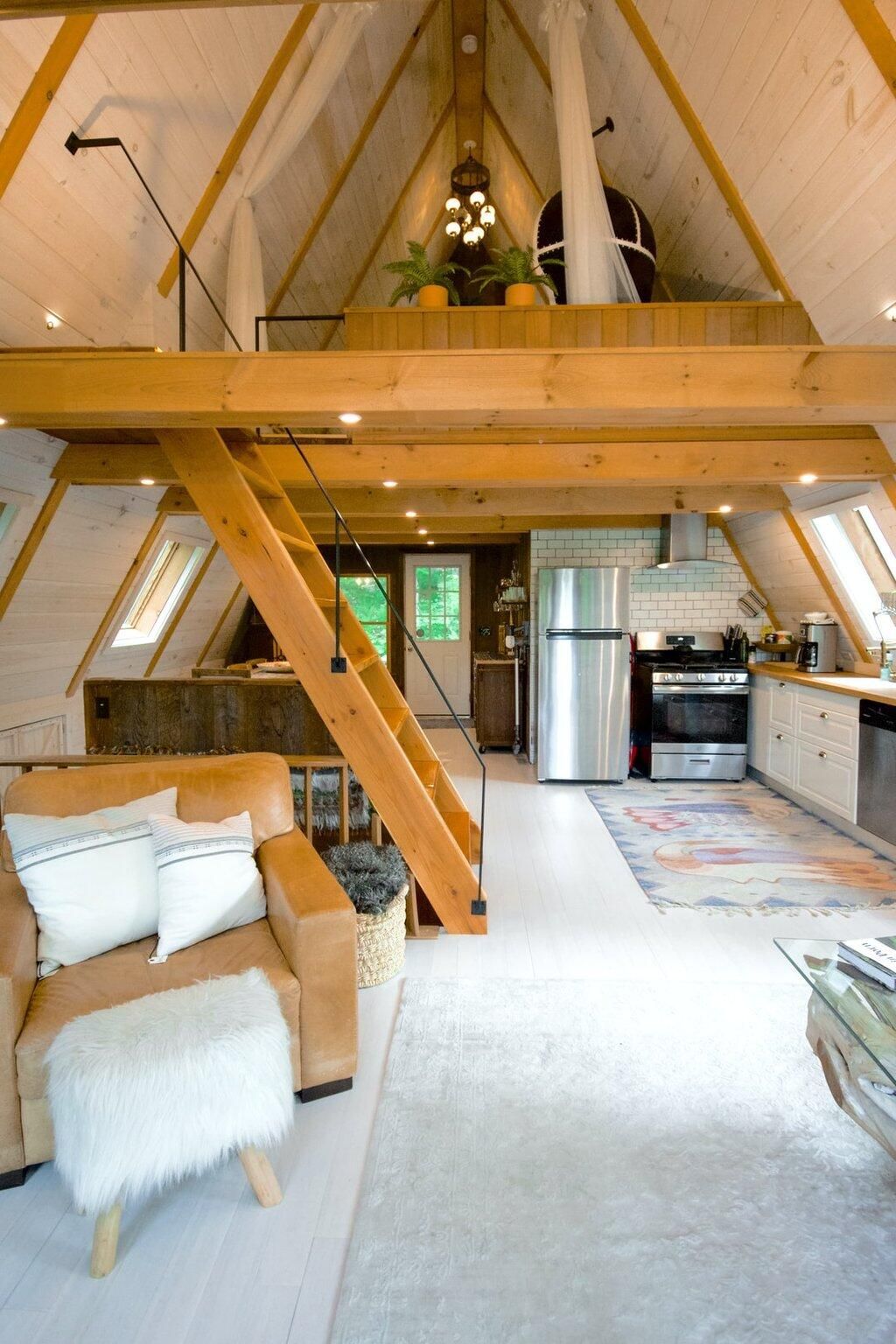
Energy-efficient homes are becoming more popular, and lofts aren’t being left behind. Some ways to build a more sustainable loft design include prioritizing insulation, focusing a bit more on windows, not forgetting ventilation, and more.
Energy efficiency is on everyone’s mind as the effects of global warming and environmental degradation are becoming more visible to Americans. One way people are making their lofts more energy-efficient is by focusing on sustainable loft design.
Lofts have traditionally been associated with open floor plans, exposed structural elements, dramatic ceilings, and large windows, which is why people love living in lofts. However, with changes in loft design, eco-friendly living spaces are possible without changing the idea of loft living.
Insulation Is Becoming A Bigger Priority
Large open spaces and high ceilings can create unique challenges for temperature control.
Older lofts may have limited insulation, allowing heat to escape during colder months and enter the home during warmer weather. Improving insulation in roofs, walls, floors, and other appropriate areas can help create a more stable indoor environment.
The challenge is finding solutions that improve performance without compromising the distinctive architectural features that make lofts attractive. If you wish to avoid insulation compression, consider Loft Leg XL, which raises your new build loft floor by 300mm, saving you energy and money.
Windows Are Getting More Attention
Large windows are often a defining feature of loft design.
They can provide abundant natural light, but older or inefficient windows may contribute to heat loss or unwanted heat gain. The following can help improve thermal performance:
- Modern high-performance glazing
- Improved frames
- Weatherstripping
- Carefully planned window treatments
Replacing windows is not always the only option. In some properties, targeted improvements can provide efficiency benefits while preserving original architectural details.
Ventilation Matters In Tighter Homes
Energy-efficient design is not simply about keeping indoor air from escaping.
As buildings become better sealed, ventilation becomes increasingly important for maintaining indoor air quality and managing moisture. Properly designed ventilation systems can help exchange indoor and outdoor air while reducing unnecessary energy loss.
For lofts, where open layouts can create unusual airflow patterns, ventilation planning should be considered as part of the overall design.
Efficient Heating And Cooling Are Changing Layouts
Heating and cooling systems can have a major impact on energy consumption. The following can help homeowners manage indoor temperatures more efficiently:
- Modern heat pumps
- High-efficiency HVAC equipment
- Smart thermostats
- Zoning systems
In larger lofts, zoning can be particularly useful because different areas may have different heating and cooling needs. Designers may increasingly consider mechanical systems earlier in the renovation process rather than treating them as an afterthought.
Green Home Innovations Includes Energy-Efficient Homes
It’s time for you to think anew about energy-efficient homes, especially lofts. Modern sustainable architecture has a lot going for it. Energy-saving home techniques, as shared above, are yours for the taking. You just have to apply them to your loft.
It’s time you used the technology available and started saving energy and money.
Please check out related articles on our website.


