Understanding The Signs And Symptoms Of Lupus
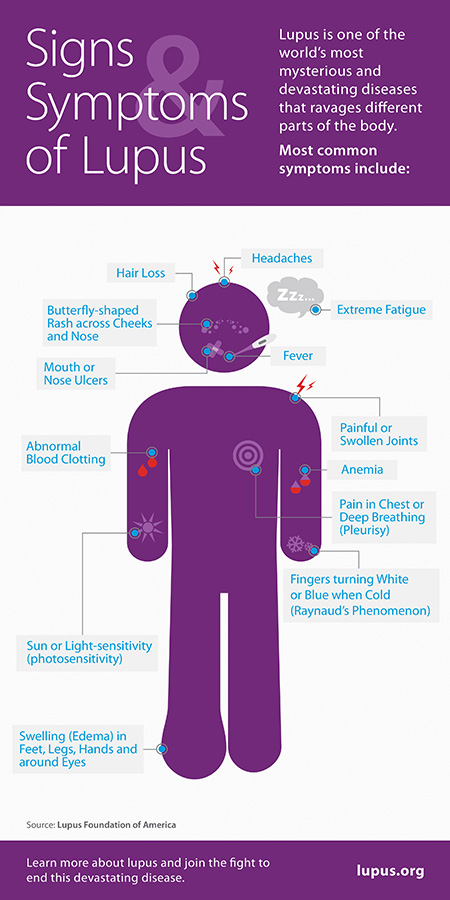
Lupus is a serious autoimmune disease that can affect multiple parts of the body and often presents itself through a wide range of symptoms.
According to health experts, lupus occurs when the immune system mistakenly attacks healthy tissue, leading to inflammation, pain, and other complications. Because symptoms can vary from person to person, lupus is often considered one of the more difficult diseases to diagnose. Advocacy groups continue encouraging people to pay attention to warning signs and seek medical advice if symptoms persist.
Some of the most common symptoms associated with lupus include extreme fatigue, headaches, fever, painful or swollen joints, and chest pain during deep breathing. Many people living with lupus also experience a butterfly shaped rash across the cheeks and nose, which has become one of the disease’s most recognizable signs. Other symptoms can include hair loss, mouth or nose ulcers, anemia, abnormal blood clotting, and fingers turning white or blue when exposed to cold temperatures, a condition known as Raynaud’s phenomenon.
Lupus can also cause sensitivity to sunlight and swelling in the feet, legs, hands, and around the eyes. Because symptoms may come and go over time, many patients experience periods known as flare ups, where symptoms suddenly worsen. Organizations like the Lupus Foundation of America continue working to raise awareness, support research efforts, and help educate the public about the impact lupus has on millions of Americans and families every year.

