Why Do Kenyans Dominate The Boston Marathon?
- Kenyan runners have won over 40 Boston Marathon titles, transforming the race's history.
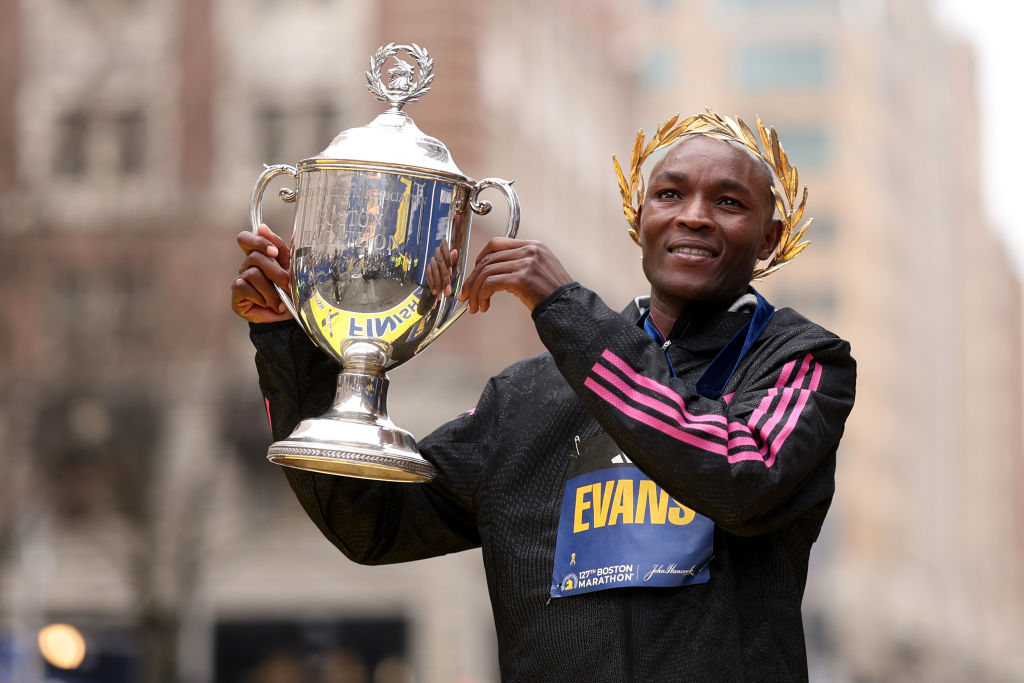
With the 130th Boston Marathon set for Monday, April 20, 2026, the annual race is once again pulling the sports world back to Boylston Street for one of the most iconic events on the calendar. As people get ready for another Patriots’ Day showdown, one question always comes back around: why do Kenyan runners keep having Boston (and the marathon world in general) in a chokehold? The short answer is that this isn’t some random streak. It’s the result of decades of history, culture, training, geography, and a talent pipeline that have turned Kenya into distance-running royalty.
To really get it, you have to start with Boston itself. The race was first run on April 19, 1897, after the marathon inspired Boston Athletic Association (B.A.A.) official John Graham at the 1896 Athens Olympics. It began as a 24.5-mile race before shifting to the now-standard 26.2 miles in 1924, and over time it grew into the world’s oldest annual marathon and one of the crown jewels of road racing. Boston isn’t just another stop on the calendar either — it’s a race with real mythology, from the Newton Hills to Heartbreak Hill, which is part of why winning here carries a little extra weight compared to your average major.
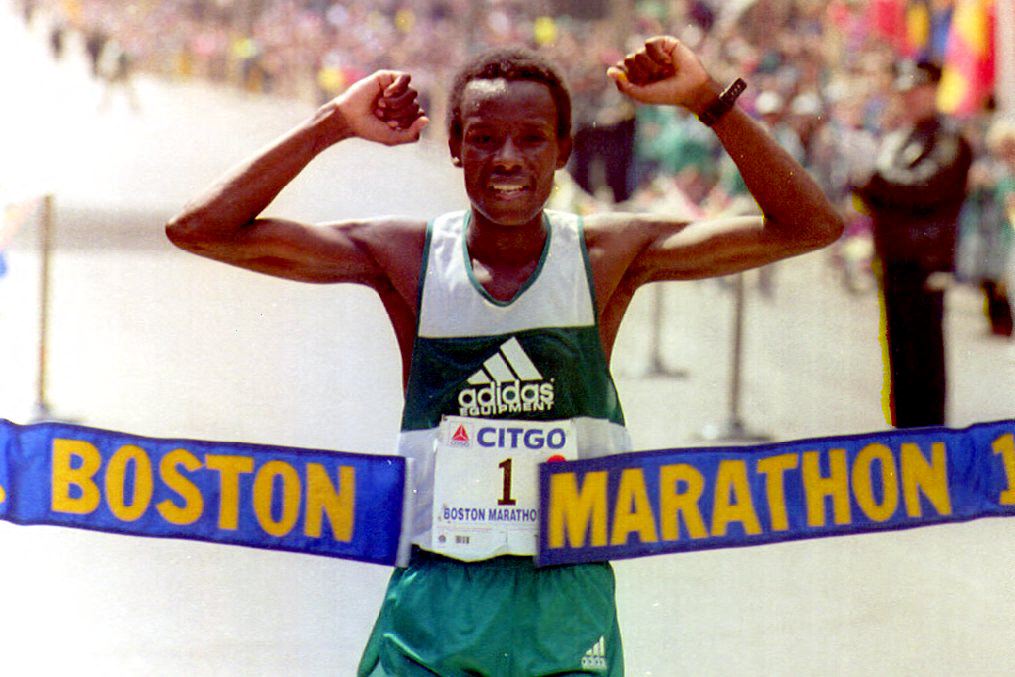
Kenya’s takeover of Boston didn’t happen overnight, but once it started, it changed the race forever. The breakthrough moment came in 1988, when Ibrahim Hussein became the first African to win the Boston Marathon. That wasn’t just a cool headline; it marked the beginning of a new era. The B.A.A.itself notes that Hussein’s win helped usher in East African dominance, and by 2000, Kenyan men had delivered a 10th consecutive victory for their country in Boston. Since then, the names have kept piling up: Cosmas Ndeti, Moses Tanui, Robert Kipkoech Cheruiyot, Geoffrey Mutai, Evans Chebet, John Korir and more on the men’s side, plus women like Catherine Ndereba, Rita Jeptoo, Edna Kiplagat, Peres Jepchirchir, Hellen Obiri, and Sharon Lokedi. By any fair reading of Boston’s official champions list, Kenyan runners have collected well over 40 open-division titles combined in the race’s history.
So why them? For one, a huge chunk of Kenya’s elite distance runners come from or train in the Rift Valley, including places like Iten, where altitude is part of everyday life. Training at roughly 2,000 to 2,500 meters above sea level can help build endurance, and researchers say that East African success is tied not just to altitude but to a full mix of factors: efficient biomechanics, strong running economy, high-intensity training habits, childhood physical activity, psychology, and diet. In other words, there’s no magic gene or one concrete answer. It’s more like a perfect storm of environment, preparation, and culture that keeps producing runners who are built to suffer, pace smart, and close hard when a marathon gets ugly.
There’s also a deep-running history in Kenya that goes way beyond Boston. Kenya made its Olympic debut in 1956, but the country truly announced itself as a global distance-running power in the 1960s, helped by legends like Kip Keino and later generations who turned Kenya into a fixture in everything from steeplechase to the marathon. That success created a cycle: kids grow up seeing runners become national heroes, training groups become talent factories, and road racing becomes both a dream and, for some, a real economic opportunity. So when people ask why Kenyans dominate marathons, part of the answer is simple: Kenya has spent decades building one of the strongest long-distance cultures on Earth, and now the rest of the running world is still trying to keep up.


That seems like the best way to frame the Boston Marathon heading into its 130th running. Kenyan dominance shouldn’t be treated like some mystery box or lazy stereotype — it’s a story about legacy, discipline, infrastructure, and an absurdly high standard that keeps getting passed down. Boston happens to be one of the biggest stages where that excellence shows up every Spring. So when the field hits the streets on April 20, don’t be surprised if Kenya is right there in the mix again. At this point, that’s not a trend…it’s tradition!
RELATED: A’ja Wilson Secures $5M Supermax Deal To Become Richest WNBA Player Ever
Why Do Kenyans Dominate The Boston Marathon? was originally published on cassiuslife.com


