Warrantless Surveillance Loophole Threatens Black Communities
The FISA Warrantless Surveillance Loophole Threatens Black Communities
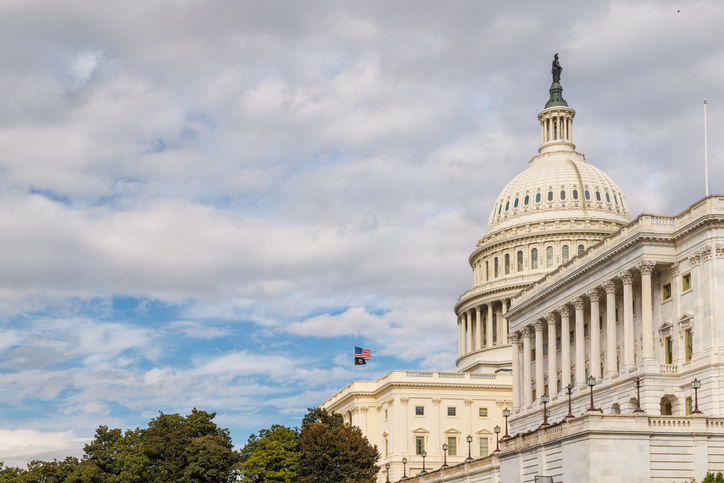
As Congress deliberates the fate of the controversial Section 702 of the Foreign Intelligence Surveillance Act (FISA), Black communities know the devastating impact of government surveillance and invasion of privacy. The last thing Trump needs is for Congress to make it easier for him to steal our rights and punish those he views as his political enemies.
While many of us slept Thursday night, Republican efforts at a long-term extension failed. But sadly, the anti-freedom bloc led by Louisiana Republicans Reps. Mike Johnson and Steve Scalise couldn’t get the House to do more than a 10-day extension.
Just in time to antagonize organizers and communities gathering for May Day.
I know, surprise, it’s another day ending in -y, and America is considering legislation that would harm our communities. But digging past our collective cynicism is a stark reminder of the harm caused by the government to Black and other communities identified as a threat to the white supremacist status quo.
History has taught us all we need to know about the risk of such power in the hands of an administration openly waging war against our very existence and advocacy. From COINTELPRO to the abuses after 9/11 to the made-up Black Identity Extremist, our communities bear the burden and scars of government surveillance and persecution.
Regardless of the alleged need for Section 702, the controversial provision shouldn’t be renewed. Who poses a threat is being interpreted extremely broadly, and even the most aggressive social media First Amendment expert won’t be able to talk their way out of potential retribution.
A recent brief from Just Security echoed the concern of Section 702 making it easier for the government to get access to our communications, and the ridiculous framing of “antifa” and other civil society groups as terrorists.
“Public and private debates over whether to add a warrant requirement to Section 702 have raged over many years and can, at times, appear repetitive,” reads the brief. “This year is different. Congress’ decision whether to renew Section 702 comes at a moment when the Trump administration appears poised to expand the database with new collection priorities and to seek Americans’ communications for illegitimate reasons that could jeopardize the program as a whole.
Trust, it doesn’t matter if you don’t do politics. Politics and the Trump machine will do you if deemed a threat.
Bipartisan congressional concern is not enough; we need action
As a country and civically minded people, we have to be more present in what the so-called decision-makers are doing in our name and with our tax dollars. While the media has framed it as a mere “tool” for the country’s intelligence and monitoring of alleged foreign nationals, the program has been used to spy on Americans at home.
And no amount of “technically, it can only be used in xyz circumstances” will protect any of us. We’ve seen that this administration doesn’t care about the technicalities, rules of procedure, or the Black-letter law.
It should raise serious concerns for anyone concerned with the current administration’s escalating abuse of power and framing civic engagement and protest as domestic terrorism. Built into Trump’s proposed budget is increased authoritarianism to go after those positioned as “enemies” of far-right interests.
Political commentator Mehdi Hasan’s outlet Zeteo reported last week that the Trump administration was escalating its repression of dissent through trainings of state and local law enforcement under NSPM-7. According to the outlet, NSPM-7 stems from a presidential directive that criminalizes beliefs, ideas, and positions supported by many on the left.


Also, DHS and ICE have already come under fire for increasing surveillance of protestors and other practices, like collecting DNA samples of those arrested.
Earlier in the month, Reps. Summer Lee (PA-12), Shontel Brown (OH-11), and Yassamin Ansari (AZ-03) denounced ICE’s use of spyware developed by a foreign software company. According to the trio, the software allowed ICE to access encrypted messages, location, and photos.
“It’s outrageous that DHS and ICE are using this spyware with no Congressional oversight and a complete lack of compliance standards,” the lawmakers said in a joint statement. “Given the track record of the Trump Administration, ICE’s feigned compliance with existing standards doesn’t mean much; we need to see proof and evidence of ironclad safeguards.”
A group of 53 members of Congress representing the Congressional Asian Pacific American Caucus, the Congressional Hispanic Caucus, and the Congressional Progressive Caucus urged leadership to ensure that Fourth Amendment protections are included in the reauthorization.
“The Trump Administration has demonstrated an unparalleled appetite for collecting and exploiting Americans’ personal data,” the Members wrote. “Without independent guardrails on Section 702, this Administration has repeatedly shown that it cannot be trusted to police its own use of this sweeping surveillance authority.”
Black Voters Matter Fund and Color of Change were among more than 30 advocacy organizations that signed the letter. As of the drafting of this article, the Congressional Black Caucus, as a bloc, had not released a statement in favor of the provision or in support of changes.
Even some Republicans have reportedly raised concerns about the broad surveillance powers. It’s surprising, given that they have given the administration a blank check to trample on civil liberties. Maybe they’re worried about the skeletons in their closets and are trying to avoid being targets of the same program they are being asked to support.
Either way, we are increasingly being forced to confront a shifting terrain in how we protect our ability to thrive.
Drawing strength and inspiration from culture and community to navigate what’s to come
Yes, it might feel a little too much like the plot of The Minority Report or Enemy of the State. But this administration isn’t just taking cues from failed far-right despots abroad.
As a dedicated fan of Octavia Butler’s dynamic Parables duo, I draw strength and inspiration from the lessons in both books. While many point out the parallels between our present and Parable of the Sower,” it is in the second book, Parable of the Talents, where the story unfolds.
Parable of the Talents offers a roadmap and framework for rebuilding and replacing harmful systems and ways of being. Together, the books help ground me in a basic truth: that organized people, community, and the shared practice of hope and action can accomplish it.
What gives me hope and purpose is an ancestral promise passed down through the generations, in which their frustrations have become tools and opportunities for those who follow. Calling your member of Congress and even talking to state elected officials about how they are engaging with our privacy and data is an important step.
But changing the course of the country and not feeling like our efforts are wasted in vain requires collective power and engagement. Plug in with groups in your community or find a digital home.
Like Parables lead visionary Lauren, I have found inspiration and strength in community and people connecting to build a better tomorrow. Efforts like Black Camp and the Movement for Black Lives People’s Assembly Project offer us tools and resources to do in our own communities.
These systems weren’t built for us and have failed us many times over. Yet, together our communities have survived the unimaginable and built an enduring legacy and commitment to freedom and self-determination.
SEE ALSO:
Yes, Trump Is An Unhinged Madman, But The 25th Amendment Won’t Save Us
Greg Abbott Threatens Houston Police Funds Over ICE Ordinance
The FISA Warrantless Surveillance Loophole Threatens Black Communities was originally published on newsone.com


